
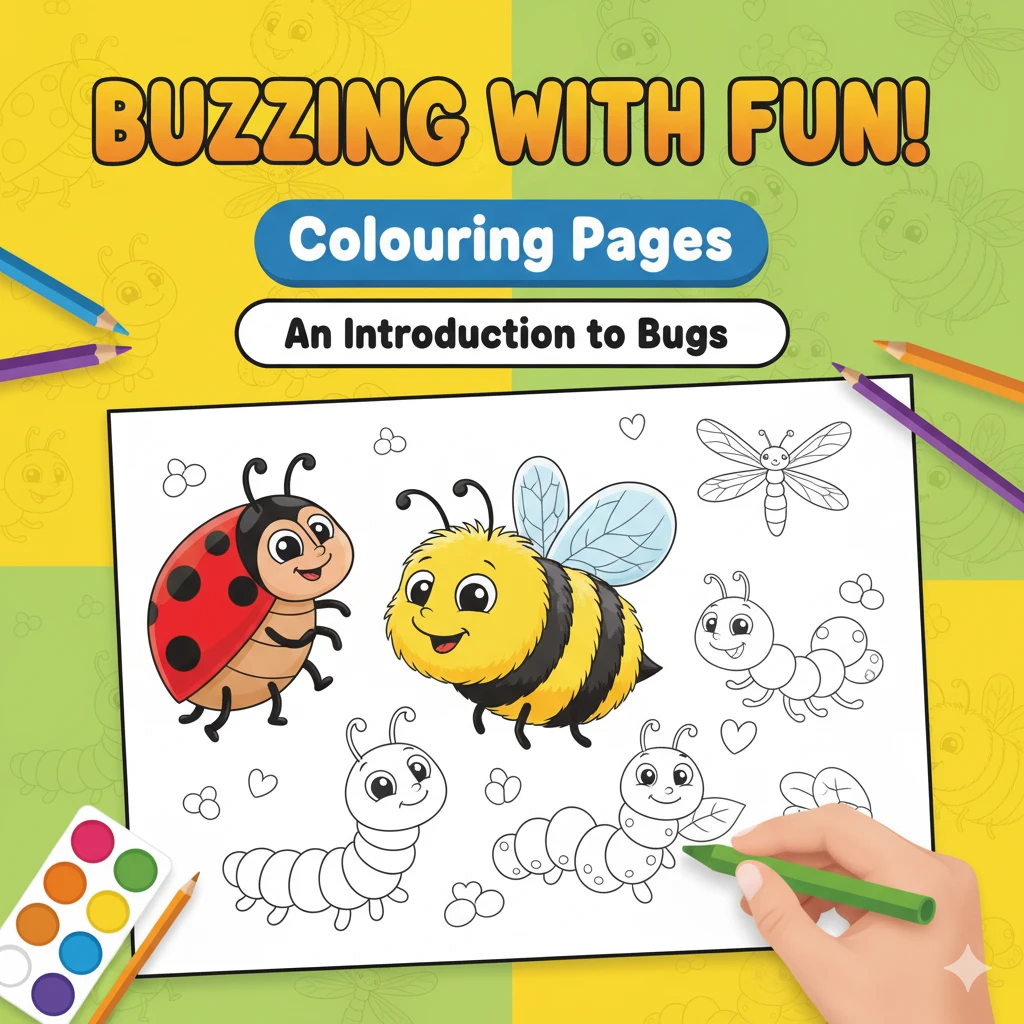
Why Bugs are the Perfect Canvas for Coloring
What makes bug coloring pages so universally appealing and captivating? The core answer lies in the brilliance of their natural design. Mother Nature has endowed insects with an incredible visual flair and sophistication that enthralls both children and adults. Consider the geometric precision and delicate structure of a dragonfly’s transparent wings, the glossy, contrasting red and black spots of a cheerful ladybug, or the breathtaking, mirrored patterns painted on a butterfly’s wings. Coloring these creatures transcends merely filling in a shape; it’s an opportunity to recreate or boldly re-imagine some of the most spectacular, complex natural artwork found on the planet. The unique challenge and immense joy come from deciding whether to use scientifically realistic colors or letting imagination soar completely free with neon-green spiders and dazzling rainbow-striped bees. This creative freedom is often what makes the activity so deeply satisfying and emotionally rewarding.
Unlocking Educational and Developmental Benefits Through Insect Coloring
Choosing bug coloring pages is a genuinely smart and conscious choice because the activity is inherently packed with valuable learning opportunities. It serves as a subtle yet powerful way to seamlessly blend creative fun with vital scientific and developmental exploration:
- Enhanced Observation Skills: Coloring the detailed anatomy of bug designs such as the fine antennae, the number of legs, the segmentation of the body, and the delicate wing venation actively encourages children to focus their attention on small, complex details. This intentional focus sharpens crucial observational skills necessary for scientific study and artistic execution.
- Early Science Education (Entomology): These printables function as a fantastic, accessible introduction to entomology (the study of insects). By coloring a bee, a child naturally opens a discussion about pollination; by coloring a caterpillar, they learn about the incredible process of metamorphosis. It makes learning about the natural world tangible, personal, and immensely fun.
- Superior Fine Motor Skill Development: The intricate, often small patterns found on butterfly wings, beetle shells, or spider legs require careful, controlled handling of the coloring tool. This repeated, precise movement significantly improves fine motor skills, hand-eye coordination, finger dexterity, and the essential precision needed for future academic tasks like handwriting.
- Focus and Concentration Stamina: The variety of small, distinct areas within a bug drawing gently compels children to maintain their focus. Staying concentrated on meticulously completing a beautiful butterfly or coloring a complicated spider web is a deeply rewarding exercise that effectively builds sustained attention and mental stamina.
The Vast World of Bug Coloring Pages: Types and Themes
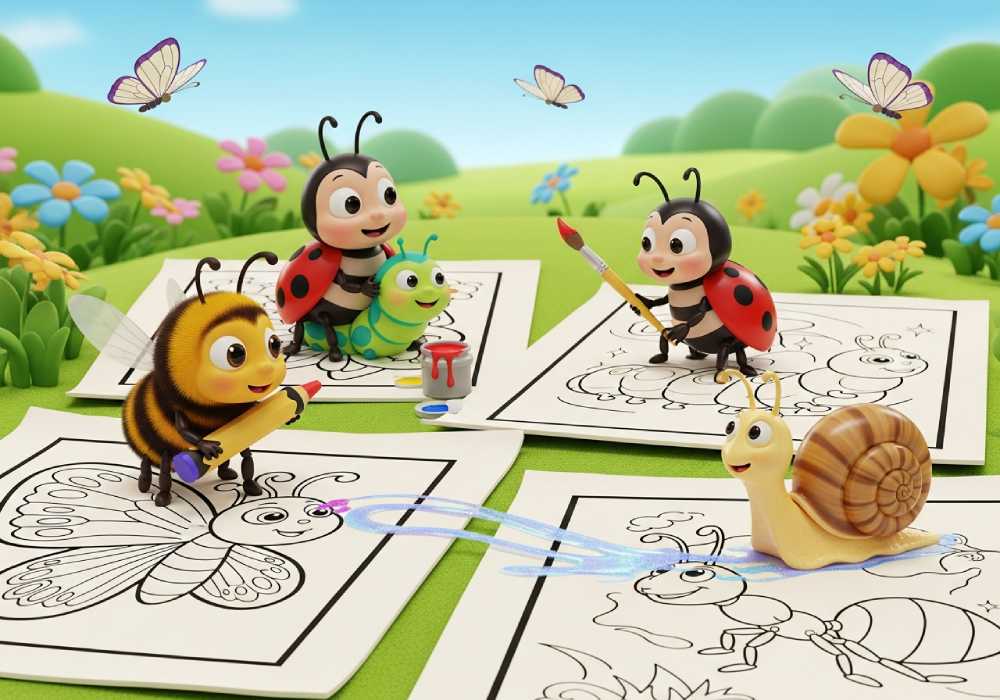
The variety of bug coloring pages available online is as delightfully diverse and boundless as the insect kingdom itself. No matter the age, skill level, or interest of the colorist, there is always a bug printable perfectly suited to their needs and imagination:
- For Toddlers (Simple Outlines): These pages feature large, bold, and chunky outlines of popular, friendly bugs like ladybugs and snails, designed perfectly for big crayons and developing little hands.
- For Kids (Themed & Action Scenes): These often include narrative elements, showing bugs in action a grasshopper jumping, a spider diligently spinning its web, or a group of ants having a little picnic. These pages offer engaging stories and scenes to color.
- For Adults (Mandala & Zentangle Bugs): These advanced designs take the recognizable shape of an insect (like a beautiful moth or a patterned beetle) and fill it with complex, intricate, repetitive patterns. They are exceptional tools for effective stress relief, creative mindfulness, and a calming break from the everyday rush.
- Realistic Drawings: These are often scientifically accurate illustrations of insects, showing detailed anatomy. They are ideal for classroom projects, homeschooling curricula, or for older children and artists who wish to study natural form while they color.
Accessing these inspiring pages is delightfully easy: a simple search for bug coloring pages on any major search engine will instantly yield thousands of free, high-quality downloads, ready for you to print. All you need to begin this adventure are sheets of paper and your favorite creative coloring medium.
Comments